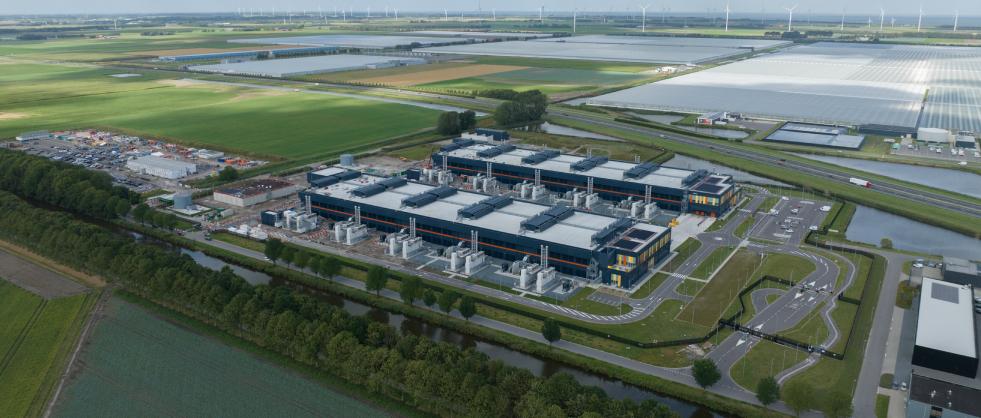
In an increasingly digital world, data centers have become the silent engines powering everything from cloud storage and AI models to video streaming and online banking. Yet behind their quiet hum lies a growing challenge: data centers are consuming unprecedented amounts of electricity and their appetite is only increasing.
The Rising Energy Footprint of Data Centers
Global internet traffic has skyrocketed in the past decade. As a result, data centers now account for an estimated 1.5–2% of total global electricity consumption, and this number is expected to more than double by 2030, according to IEA projections. The surge is being driven by several key trends:
- Artificial Intelligence (AI) and Machine Learning (ML): Training large language models (LLMs) or operating real-time recommendation systems requires massive computing power.
- Edge Computing and 5G: Distributed networks require more micro-data centers closer to end-users, increasing total infrastructure.
- Cloud Services and Streaming: The rise of video-on-demand, remote work, and enterprise cloud storage is driving massive scaling of server farms.
- Crypto and Blockchain: While volatile, blockchain technologies like proof-of-work are among the most energy-hungry computing applications.
Why Are Data Centers So Energy-Intensive?
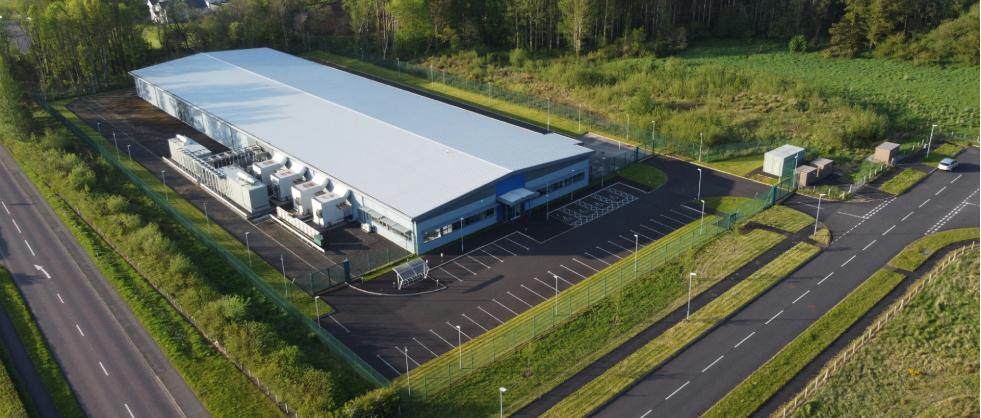
At the heart of every data center lies a dense cluster of servers, storage units, and networking hardware. These systems require not only significant energy to operate but also intensive cooling to prevent thermal overload.
Key contributors to data center energy demand:
- Compute loads: Advanced chips like Graphics Processing Units, which are used in AI and data-heavy tasks, consume 3 to 4 times more power than standard processors, driving up the overall energy use in data centers.
- Cooling systems: Depending on the geography, cooling can account for 30-50% of total energy usage.
- Power distribution losses: Step-down transformers, UPS systems, and power conversion all introduce inefficiencies.
- Redundancy: To avoid downtime, many advanced data centers use backup systems that run all the time. This means they often use twice as much power to stay safe and reliable.
The Case for Sustainable Powering of Data Infrastructure
As electricity demand from data centers grows, so does the pressure on national grids, especially in regions like Cyprus, where energy systems are already strained during peak periods. This underscores the importance of integrating renewable energy and storage solutions directly into data center design.
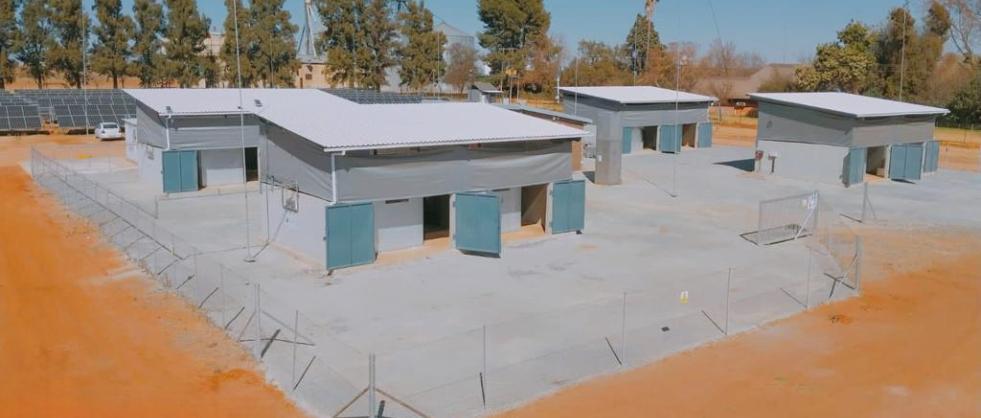
Thermal energy storage (TES) solutions like EnergyIntel’s TES Solution, offer a compelling response. These systems absorb excess solar or wind energy during the day and release it on demand, supporting 24/7 clean power delivery even in off-grid or backup scenarios. With 13 hours of long-duration storage, a proven round-trip efficiency up to 90%, and a fully recyclable, non-degrading PCM-based design, our TES solution could reduce the dependency of data centers on diesel or grid-based fossil sources.
Innovations on the Horizon: Toward Net-Zero Data Centers
Several global hyperscalers, including Google and Microsoft, have committed to net-zero data centers. Their strategy includes:
- Power Purchase Agreements with renewable producers.
- On-site solar PV + battery/TES integration.
- AI-based energy efficiency optimization, adjusting server loads and cooling dynamically.
- Liquid immersion cooling, reducing cooling overhead significantly.
This is an opportunity for forward-thinking regions like Cyprus to develop sustainable data center hubs that attract international cloud providers while supporting the country’s clean energy goals. Projects that combine solar power (PV) with thermal storage (TES), or solutions like EnergyIntel’s TES can deliver both economic and environmental benefits.
Conclusion: The Energy Cost of the Cloud Must Be Accounted For
Data is not intangible. It lives in metal, silicon, and heat. As the global economy digitizes, energy efficiency and clean energy integration in data centers will determine whether that growth is sustainable. Solutions like long-duration storage, smart load management, and onsite renewables are no longer optional. They’re mission critical.
At EnergyIntel, we believe “Energy Evolved” means more than switching to renewables. It means rethinking how energy is stored, dispatched, and used. The data center revolution is here. The question is: will it be powered sustainably?