
Written by Michalis Loizou, Head of Electrical Department, EnergyIntel
Quick Overview
- Energy storage transforms the home from a passive consumer into an active energy management system.
- Solar panels alone do not provide genuine energy autonomy.
- In Cyprus, energy storage is becoming particularly important due to the unique constraints of the electricity grid.
- For modern homes with high energy demands, stability is just as important as savings.
- The real value lies in proper system design, not simply in the equipment itself.
In Cyprus today, energy can no longer be taken for granted and that changes everything for the modern home.
A quiet but fundamental shift is taking place: the transition from simply consuming energy to actively managing it.
This is not merely about electricity. It is about control, reliability and stability.
For years, even the most sophisticated residences – homes designed without compromise in comfort or technology – remained dependent on a grid that was never built to support this level of demand.
Today, that is beginning to change.
The Illusion of “Energy Autonomy”
Installing solar panels is often considered sufficient. In practice, it is not.
A modern home does not simply consume energy. It must manage it.
And effective energy management requires far more than solar panels on the roof.
It requires an integrated system that combines:
- Generation
- Storage
- Smart energy management
- Real-time monitoring
In essence, it requires a system that operates with the intelligence and precision of an advanced energy installation.
The Home as an Energy System
The next stage of this evolution is already here.
The home is no longer simply a consumer. It is becoming an energy system in its own right.
A system that determines:
- When to consume energy
- When to store it
- When to draw on stored energy
It does this dynamically and in real time, taking into account both the occupants’ behaviour and the conditions of the electricity grid.
In more advanced installations, energy is monitored across multiple parameters – including power, voltage, power quality and battery status – creating a fully controlled energy environment.
This is not a luxury. It is the next stage of residential energy.
The Reality in Cyprus
Cyprus has a distinctive energy landscape that cannot be ignored.
During periods of high solar generation, many photovoltaic systems are restricted by grid limitations. At the same time, the increased use of air conditioning during the summer creates significant peaks in electricity demand.
This means that the energy you generate is not always available when you actually need it.
A Practical Example
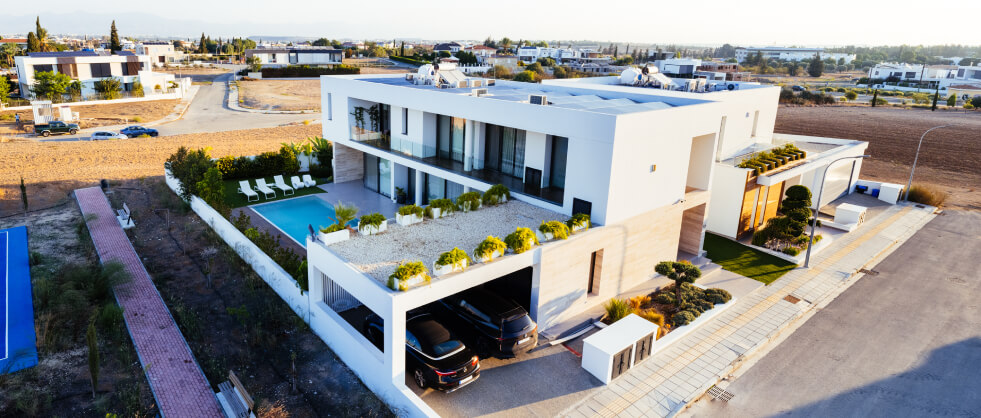
Consider a modern home with an electric vehicle, a swimming pool and full air conditioning. Its peak energy demand can be considerable.
Without energy storage, the home remains heavily dependent on the grid.
With the right system design, however, energy can be balanced, stored and used at the right time, reducing pressure on the grid while improving the home’s overall energy stability.
Uninterrupted Comfort
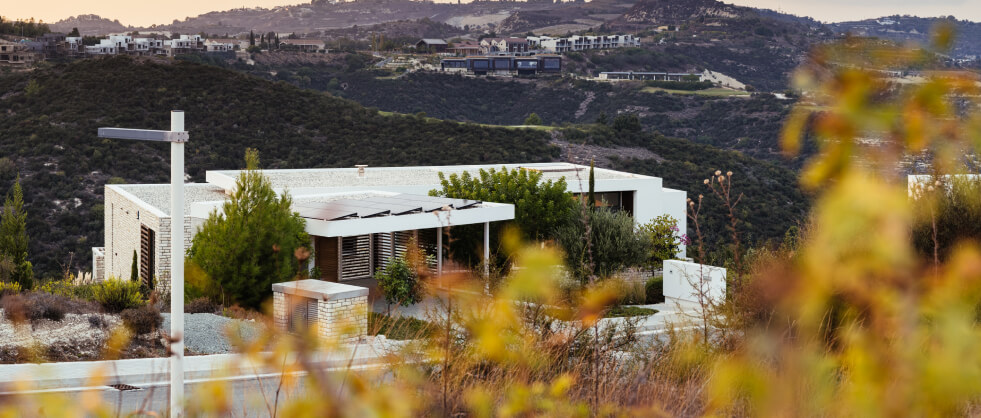
In homes where comfort is non-negotiable, energy is no longer just another utility.
It becomes part of the infrastructure of everyday life.
The uninterrupted operation of:
- Air conditioning
- Electric vehicle charging
- Swimming pools and home automation systems
is no longer simply a question of consumption. It is a question of availability, continuity and stability.
And these cannot be secured without energy storage and smart energy management.
The Difference Lies in the Design
Not all energy systems are created equal.
The value of an energy system is determined not only by the equipment it contains, but by how every component is connected, coordinated and designed to function as a complete system.
A properly designed solution:
- Anticipates consumption patterns
- Optimises the use of stored energy
- Adapts to real operating conditions
A fragmented system, by contrast, simply… exists.
From Installation to Energy Architecture

What is emerging today is not merely a market for energy products.
It is an entirely new category: energy architecture.
Designing a home’s energy system is becoming as important as designing the physical space itself.
Intentional. Tailored. Precise.
Because ultimately, energy is not simply a matter of cost.
It is a matter of reliability, stability and quality of life.
Closing Thoughts
The transition has already begun.
And as with every meaningful shift, some will adapt.
Others will choose to lead.
Energy can no longer be taken for granted.
It is a choice.
And like every important choice, it begins with the right design.
If you would like to understand how such a system could work in your own home, the conversation begins with the right design.