

A clear and realistic look at energy costs for households in Cyprus.
Every month begins the same way: with an electricity bill that is slightly higher than the one before.
Depending on the season, the increase may be caused by air conditioning, the water heater or household appliances running for longer.
There is nothing unusual about this. It is the reality for most homes in Cyprus.
But behind the figures lies a more important story: the steady loss of money that often goes unnoticed simply because there is no solar photovoltaic system on the roof.
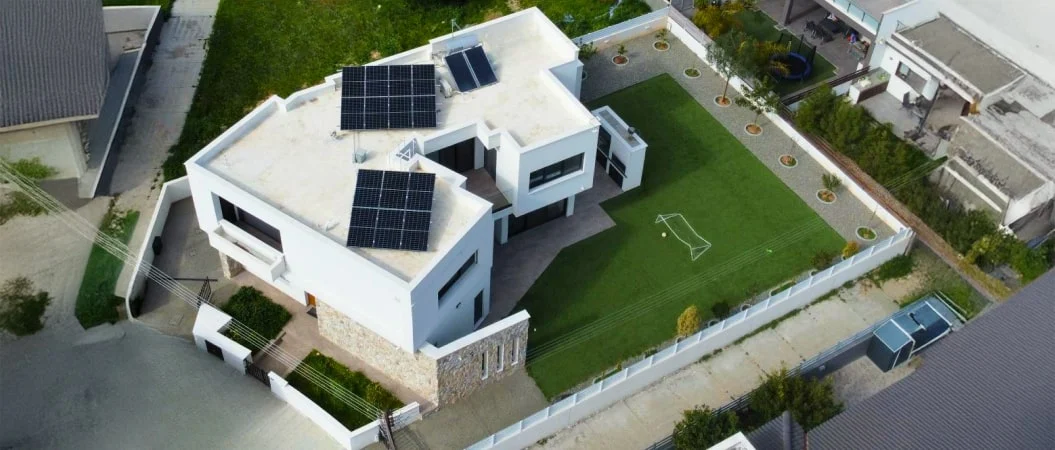
Household electricity consumption in Cyprus continues to rise, mainly because of cooling, heating and the growing number of electrical loads used throughout the year.
This increased demand translates into a significant financial burden—one that can be substantially reduced by installing solar panels.
How much electricity does the average Cypriot household use?
A typical home consumes approximately 7,000–10,000 kWh per year.
For a family of four, average annual consumption is around 8,500 kWh.
The real cost of electricity

The total price of electricity per kWh in Cyprus – including regulated charges, network costs and other fees- averages approximately €0.27–€0.30 per kWh.
Using a conservative rate of €0.28 per kWh, the annual cost is:
8,500 kWh × €0.28 = €2,380 per year
This amount is not always immediately apparent because it is spread across bills issued every two months.
But the total cost is still there: recurring, consistent and likely to increase as it is affected by international fuel prices, emissions costs and fluctuations in demand.
How much would the same household pay with solar panels?

Let us assume that the same homeowner had installed an average 4 kW solar PV system on the roof.
Nothing about the household’s daily routine would need to change. The family would use the same switches, operate the same appliances and meet the same energy needs.
The only thing that would change is the source of the electricity.
With solar panels, the household’s annual electricity costs could fall to approximately:
€350–€550 per year.
This is more than a significant difference. It is a consistent, measurable reduction that is far less exposed to changing market conditions.
The financial impact: how much is lost each year without solar panels?
€2,380 without solar PV − €450 with solar PV ≈ €1,900 per year
This is money spent year after year, with no return, no long-term savings and no improvement in the household’s energy independence.
The role of an electric vehicle

Charging an electric vehicle (EV) at home requires an additional 2,000–3,000 kWh of electricity per year.
Without solar panels, this adds approximately:
€560–€840 per year.
With a solar PV system, the additional cost can be reduced dramatically—particularly when charging is combined with smart load management and the effective use of solar energy production.
Overall, the financial impact on a household with an EV but no solar PV system can reach:
€2,700–€3,200 per year.
What happens when an electric vehicle becomes part of everyday life?
Imagine that the same family decides to switch to electric mobility.
It is a step towards the future, but it also creates an additional energy requirement.
Charging the vehicle at home requires an extra 2,000–3,000 kWh per year.
Without solar panels, this means an additional €560–€840 annually.
With solar panels, most of that extra cost can be eliminated.
As a result, a household with an EV but without solar PV may face a “silent loss” of €2,700–€3,200 every year.
At this point, it is no longer simply about saving money. It is about protecting the household from steadily rising costs.
To provide a clearer picture of the costs and benefits, it is also worth noting that:
- A typical 4–5 kW residential solar PV system in Cyprus generally costs between €4,600 and €5,600, depending on the equipment selected and the installation requirements.
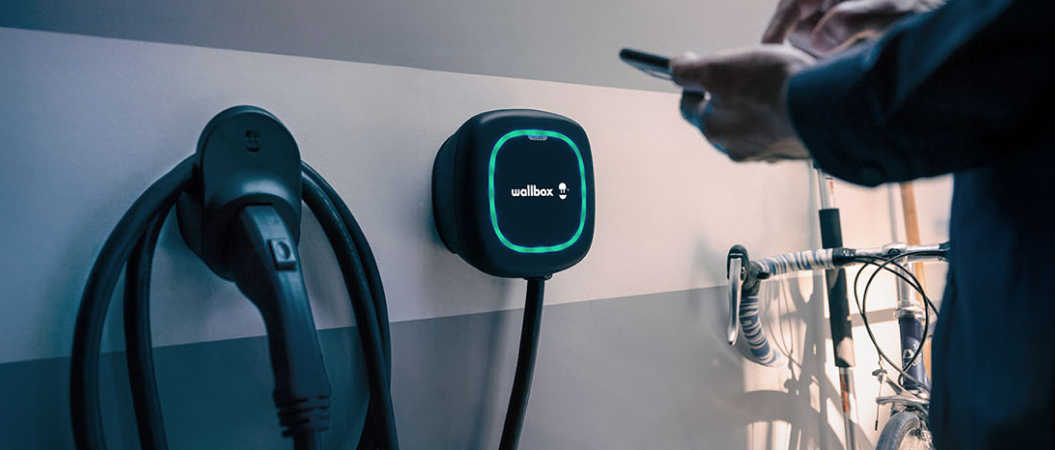
- A high-quality home EV charger typically costs between €900 and €1,500, with the total installed cost reaching approximately €1,100–€1,800.
Given that a solar PV system can generate annual savings of €1,800–€2,500, the average household can recover its investment within two to three years. A home EV charger can deliver value even sooner when it is combined with solar energy production.
The cost of waiting: the most underestimated factor
One point is particularly important: choosing not to install solar panels can ultimately cost more than installing them.
A solar PV system can pay for itself through the savings generated during its first two to three years of operation. Every year of delay creates an additional expense that could otherwise have been avoided.
Put simply, a household without solar panels effectively pays the cost of a complete system again and again—without ever owning one.
What does this mean for 2026?

In 2026, the need for self-generated energy is becoming increasingly important because of:
- the continued rise in energy costs,
- anticipated additional carbon-related charges,
- increased cooling requirements due to higher temperatures, and
- the growing adoption of electric mobility among Cypriot households.
The conclusion is clear: the sooner a household begins generating its own solar energy, the greater its financial stability will be in the years ahead.
Conclusion
An average household in Cyprus that does not use solar panels may be losing approximately €1,800–€2,500 every year. For a household with an electric vehicle, that amount can exceed €3,000.
Installing a solar PV system is not simply a way to reduce electricity bills.
It represents a fundamental shift: from uncertainty to stability, from fluctuating costs to predictable expenses, and from dependence to energy independence.
For you, that shift is worth making now.
Contact our specialist team for more information and a personalised quotation.