
Written by Kyriakos Hapeshis, Head of Sales, EnergyIntel
Quick Overview
- Energy storage transforms photovoltaics from a simple generation system into a tool for real energy control.
- The value of solar energy is not only in how much is produced, but in when it can be used.
- With storage, more of the energy generated is used within the home or business, at the time it is actually needed.
- A battery does not replace the grid; it helps consumers use it more intelligently and with greater flexibility.
- The right energy solution does not begin with the equipment, but with the analysis of actual consumption needs.
Energy storage is not the future of photovoltaics. It is the reason photovoltaics are becoming a truly smart investment.
For years, Cyprus has viewed photovoltaics as an answer to the rising cost of electricity. And rightly so. In a country with such strong solar potential, making use of the sun is not simply an environmental choice. It is economic logic.
The question is no longer whether photovoltaics have value. That has already been answered. The real question is whether we are using the energy we produce in the smartest possible way.
And this is where the next major conversation begins: energy storage.
Not as a technological add-on. Not as a luxury. Not as something that only concerns large installations or the distant future.
Storage is the step that transforms a photovoltaic system from a simple means of generation into a tool for energy control.
The problem is not generation. It is timing.
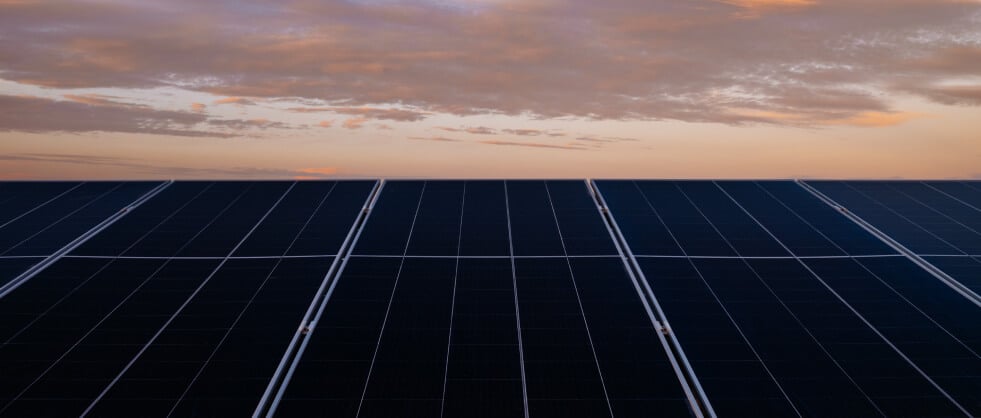
Solar energy has one simple characteristic: it is produced when there is sunlight.
Actual consumption, however, does not always follow the same rhythm.
A home may consume more energy in the afternoon and evening.
A family may return home when photovoltaic production is decreasing. An electric vehicle may be charged after work. Air conditioning, household appliances, the swimming pool, and the day-to-day operation of a modern property are not limited to peak sunlight hours.
This creates a new reality: the value of energy is not only in how much is produced, but in when it is available.
Storage addresses exactly this gap. It keeps the energy produced during the day and makes it available where it has the greatest value: during the hours of real need. In combination with a smart meter, consumers gain a clearer view of the relationship between production, consumption, and storage, allowing them to use their energy with greater precision and efficiency.
This is not just a technical improvement. It is a shift in philosophy.
Self-consumption must become a strategy, not just an installation.
The next phase of Cyprus’ energy transition cannot be based solely on installing more photovoltaic systems. We need smarter energy systems. Systems that do not simply produce, but manage. That do not merely reduce the electricity bill, but increase control. That do not operate in isolation, but as part of an integrated energy strategy.
Energy storage is at the core of this strategy.
For the consumer, it means that a larger share of the energy they produce can be used within the property itself. At the same time, losses are reduced when generated energy is fed into the grid, as more energy is either used directly at the point of consumption or stored for future use.
For the system, it means smoother management of renewable energy generation.
For the market, it means a transition from the model of “I produce when I can” to the model of “I use when I need.”
This is the essence of energy evolution.
The battery does not replace the grid. It upgrades the way we interact with it.
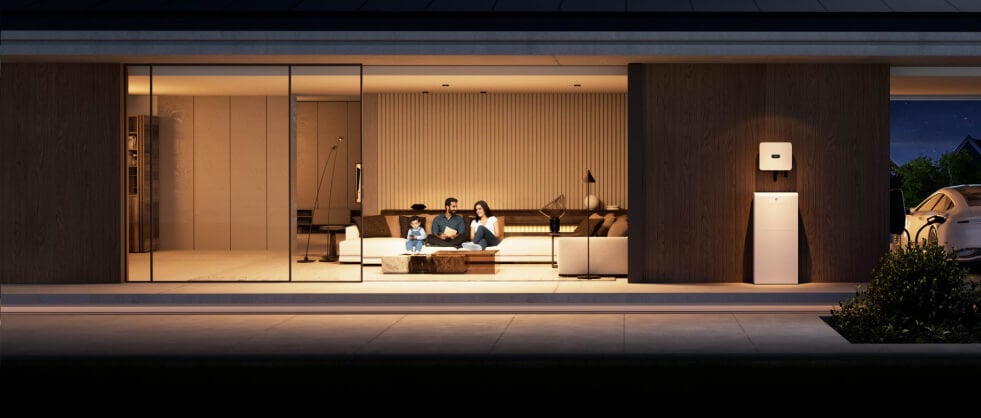
One of the biggest mistakes in the public discussion is that storage is presented as a step toward complete disconnection from the grid. In reality, the more mature approach is not isolation. It is better cooperation.
A properly designed storage system allows the owner to use more of their own clean energy, limit unnecessary dependence on the grid during periods of increased demand, and operate with greater energy flexibility.
This is not a “leaving the grid” mindset.
It is a “using the grid more intelligently” mindset.
This is extremely important for Cyprus. As the penetration of renewable energy sources increases, the challenge is not simply to produce more renewable energy. The challenge is to manage it without creating new pressures on the system.
Storage is one of the most practical tools for achieving this balance.
Energy independence is not a slogan. It is design.
Today, many people talk about energy independence. But true independence does not simply mean having panels on the roof. It means having the ability to better control the energy you produce, store, and consume. With the addition of storage, the owner is no longer only an energy producer, but an active manager of their own generated energy, with increased control and greater benefits from their investment.
- This requires proper analysis.
- It requires an understanding of the consumption profile.
- It requires selecting the right storage capacity.
- It requires technical excellence, safety, and compliance.
- It requires a design approach that sees each property as a separate energy ecosystem.
Storage does not have the same value for everyone in the same way.
A home with high evening consumption has different needs.
A family with electric vehicles has different needs.
A residence with a swimming pool, full air conditioning, and smart home infrastructure has different needs.
A business that wants to limit operating costs and gain greater predictability has different needs.
The right solution does not begin with the battery. It begins with consumption behaviour.
That is where the difference becomes clear between a simple installation and a truly well-designed energy solution.
Storage is the point where solar energy gains real power.
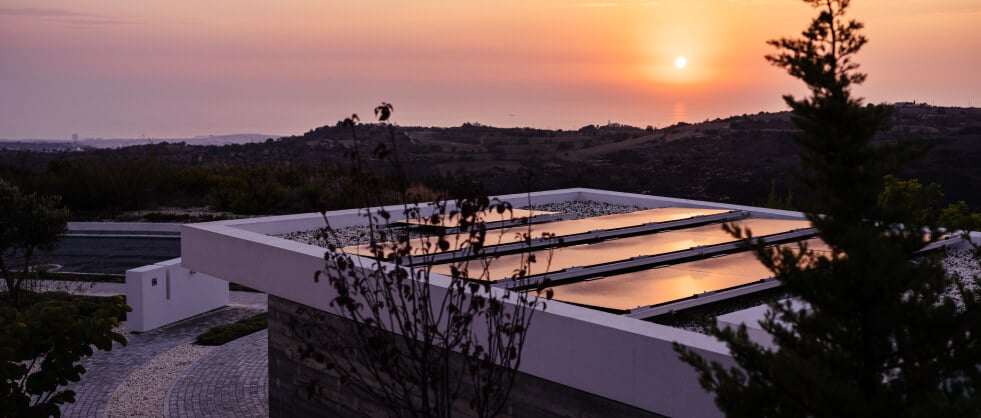
There is, however, another dimension that is not openly discussed.
Full energy independence requires not only technology, but also a significant investment.
Not necessarily because the technology itself is expensive, but because it must cover every possible scenario, even the most demanding one.
In a grid-connected or hybrid system, the grid can act as backup when production is not sufficient. In a standalone system, that backup must be built into the solution itself: through storage, proper design, and often additional equipment. This is the main reason why the overall cost increases.
The real question
Perhaps, then, the right question is not:
“Should I install a standalone photovoltaic system?”
But rather:
“How much independence do I need, and how much is it worth to me?”
For some, the answer is clear.
For most, however, the optimal solution lies somewhere in between.
And that is where proper design makes all the difference.
One final step
If you are seriously considering your energy independence, the decision does not begin with the equipment. It begins with understanding your lifestyle and your real needs.
A properly designed solution does not look impressive. It simply feels… exactly right. If you would like to see what a system tailored to your own data could look like, it is worth discussing.
If you would like to see what a system tailored to your own data could look like, it is worth discussing.
With method, substance, and the precision that such a decision requires.